Fun Ways to Improve Reading Fluency
Learning to read is an exciting journey, but becoming a confident and fluent reader takes time, practice, and encouragement. Reading fluency is more than just reading words correctly, it's about reading smoothly, accurately, and with expression, allowing children to focus on understanding what they're reading rather than decoding every word.
The good news is that improving reading fluency doesn't have to involve endless worksheets or repetitive drills. With the right activities, reading practice can be engaging, interactive, and even fun!

What Is Reading Fluency?
Reading fluency is the ability to read text:
Accurately – recognising words correctly.
Smoothly – reading at an appropriate pace without frequent pauses.
With expression – using natural rhythm, tone, and punctuation to bring the text to life.
When children read fluently, they use less mental effort to recognise words, leaving more brainpower available for understanding and enjoying the story.
Why Is Reading Fluency Important?
Fluent readers are often better able to:
Understand and remember what they've read.
Build confidence in their reading abilities.
Enjoy reading for pleasure.
Learn new vocabulary through books.
Tackle more challenging texts as they grow.
Reading fluency also supports success across all learning areas, as strong reading skills are essential in subjects such as science, history, mathematics, and geography.
Read Aloud Together
One of the simplest and most effective ways to improve reading fluency is by reading aloud together.
Take turns reading pages or paragraphs, allowing your child to hear how fluent reading sounds. This helps them develop an understanding of pacing, expression, and natural phrasing.
Reading aloud also creates opportunities to discuss unfamiliar words and enjoy stories together.
Read the Same Book More Than Once
While adults often seek out new books, children benefit greatly from rereading familiar stories.
Each time they revisit a book, they become more familiar with the words and sentence patterns, allowing them to read more smoothly and confidently.
You might notice that with each reading, your child becomes faster, more expressive, and more comfortable with the text.
Try Echo Reading
Echo reading is a simple technique where an adult reads a sentence or short passage first, and the child repeats it, copying the pace, expression, and pronunciation.
This allows children to hear what fluent reading sounds like before having a go themselves.
It's particularly helpful for children who are developing confidence or encountering more challenging texts.
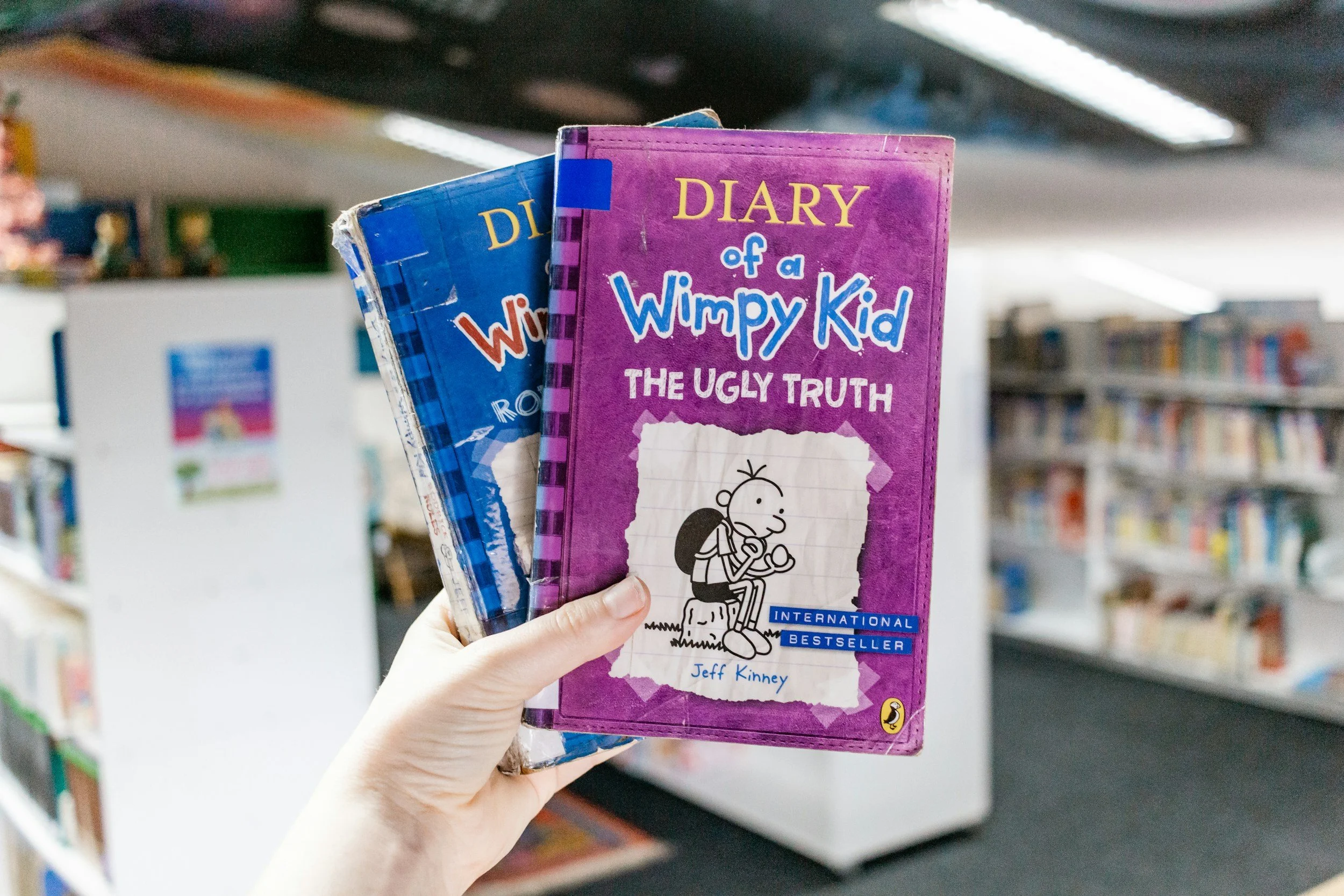
Perform Reader's Theatre
Turn reading into a performance!
Choose a story, play, or dialogue and assign different characters to family members. Instead of focusing on costumes or memorising lines, encourage everyone to read their parts with expression and emotion. Reader's Theatre helps children:
Read with expression.
Pay attention to punctuation.
Build confidence reading aloud.
Develop speaking and listening skills.
It's also a fantastic activity for siblings or small groups.
Make Reading Interactive
Reading doesn't always have to happen sitting quietly on the couch. Try making it interactive by:
Using funny voices for different characters.
Acting out parts of the story.
Taking turns reading dialogue.
Predicting what might happen next.
Asking questions about the story as you go.
The more enjoyable reading feels, the more likely children are to want to do it regularly.
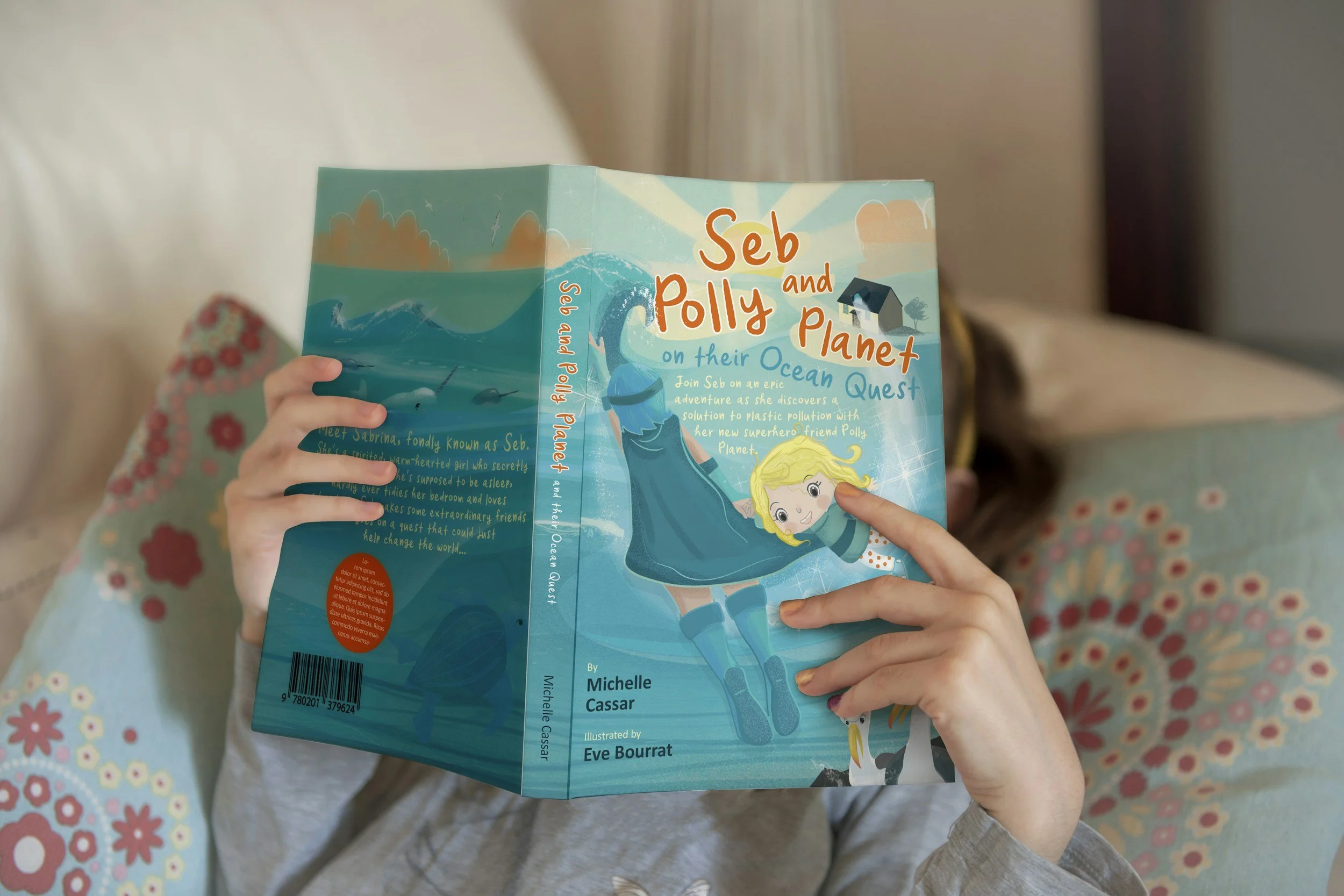
Build a Daily Reading Habit
Consistency is far more important than long study sessions. Even 10–15 minutes of reading each day can make a significant difference over time.
Try building reading into your daily routine by:
Reading before bed.
Sharing a book after school.
Reading while waiting for appointments.
Keeping books in the car for longer trips.
Small, regular reading sessions help develop confidence and fluency without feeling overwhelming.
Let Children Choose Their Own Books
Children are often more motivated to read when they can choose books that genuinely interest them.
Whether it's dinosaurs, sport, fantasy, comics, space, animals, or mysteries, reading something they enjoy helps build positive reading habits.
Remember, every type of reading counts!
Graphic novels, magazines, recipes, fact books, and even instruction manuals all help develop reading fluency.
Celebrate Progress, Not Perfection
Learning to read fluently is a gradual process, and every child develops at their own pace. Instead of focusing on mistakes, celebrate improvements such as:
Reading more confidently.
Using expression.
Recognising new words.
Reading for longer periods.
Showing enthusiasm for books.
Positive encouragement helps children develop confidence and resilience as readers.
Tips for Parents
Here are a few simple ways you can support reading fluency at home:
Be patient and avoid rushing your child.
Model fluent reading by reading aloud regularly.
Praise effort as well as progress.
Keep reading sessions enjoyable and low-pressure.
Talk about stories together before, during, and after reading.
Remember, your enthusiasm for reading can be just as important as the activity itself.
Let's Recap
Reading fluency develops through regular practice, encouragement, and positive reading experiences. By making reading enjoyable and part of everyday life, you can help your child become a more confident, expressive, and capable reader.
Whether you're reading bedtime stories, performing a mini Reader's Theatre, or revisiting a favourite book for the tenth time, every shared reading experience helps strengthen important literacy skills.
After all, the goal isn't just to raise children who can read, it's to nurture children who love to read.