Book Week 2026: Discover This Year's Nominated Books
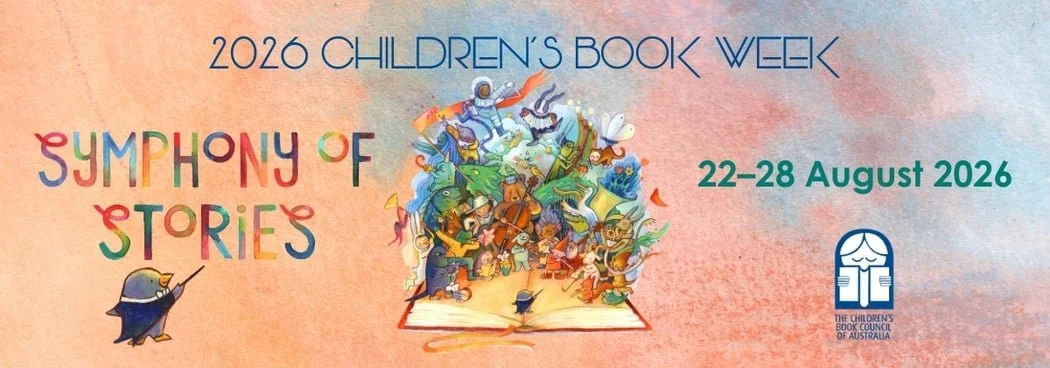
Book Week is one of the most exciting times of the year for young readers. For one special week, books and stories take centre stage, classrooms transform into magical worlds, and children get to celebrate some of their favourite characters through reading, activities, and of course, dressing up!
But Book Week is about much more than costumes. It's a wonderful opportunity to encourage children to discover new stories, explore different genres, meet new characters, and develop a lifelong love of reading.
Each year, the Children's Book Council of Australia (CBCA) announces its Book of the Year Shortlist, showcasing Australian children's books across a range of categories. These books provide a fantastic starting point for families wanting to discover something new to read together.
What Is Book Week?
Book Week is an annual celebration of books and reading organised in Australia by the Children's Book Council of Australia (CBCA). Schools, libraries, childcare centres, and families across the country celebrate by sharing stories, running literacy activities, inviting authors and illustrators to visit, and encouraging children to dress as characters from their favourite books.
For many children, the highlight is the Book Week parade, but the real magic happens when children discover a story that captures their imagination.

This Year's Nominated Books
Each year, the CBCA recognises outstanding Australian children's books through its Book of the Year awards.
The shortlisted books are selected across several categories, providing stories and reading experiences for children at different ages and stages.
Early Childhood (0-6 Years)
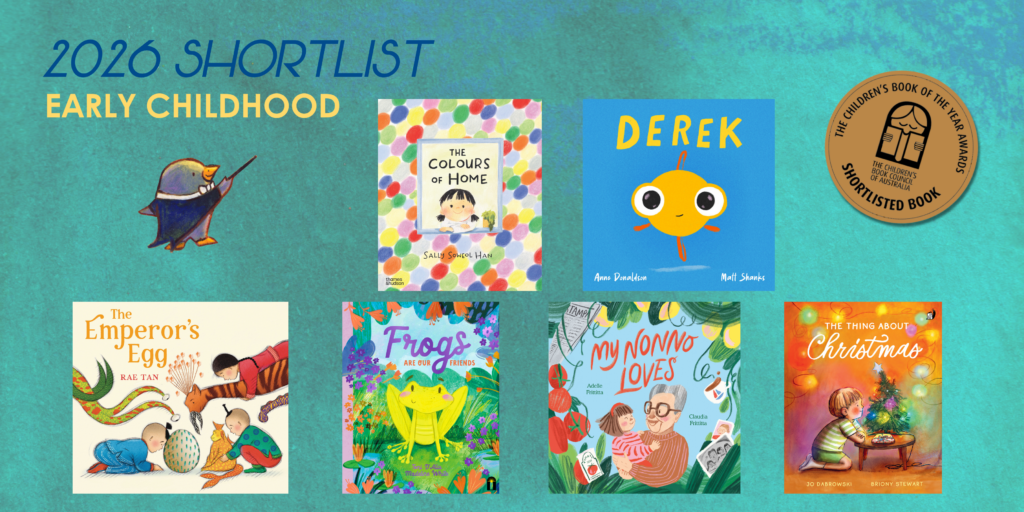
The Emperor’s Egg by Rae Tan - ⭐WINNER⭐
The Thing About Christmas by Jo Dabrowski, illustrated by Briony Stewart - 🩶HONOUR🩶
Derek by Anne Donaldson, illustrated by Matt Shanks - 🩶HONOUR🩶
Frogs Are Our Friends by Toni D’Alia, Madeline White
My Nonno Lovesby Adelle Frittitta, illustrated by Claudia Frittitta
The Colours of Home by Sally Soweol Han
Picture Book of the Year (0-18 Years)
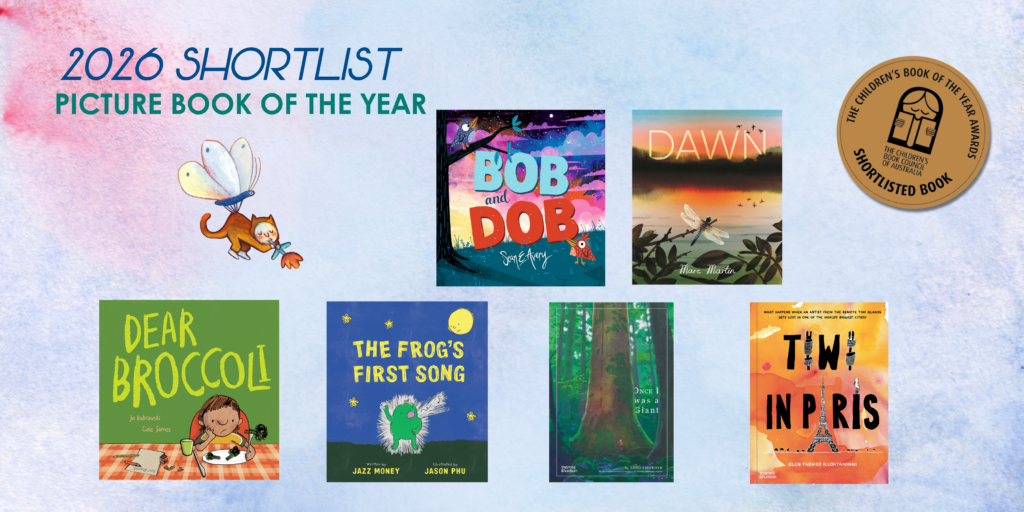
Once I was a Giant by Zeno Sworder - ⭐WINNER⭐
Bob and Dob by Sean E Avery - 🩶HONOUR🩶
Tiwi in Paris by Glen Farmer Illortaminni - 🩶HONOUR🩶
Dear Broccoli by Cate James, text by Jo Dabrowski
Dawn by Marc Martin
The Frog’s First Song by Jason Phu, text by Jazz Money
Younger Readers (7-12 Years)
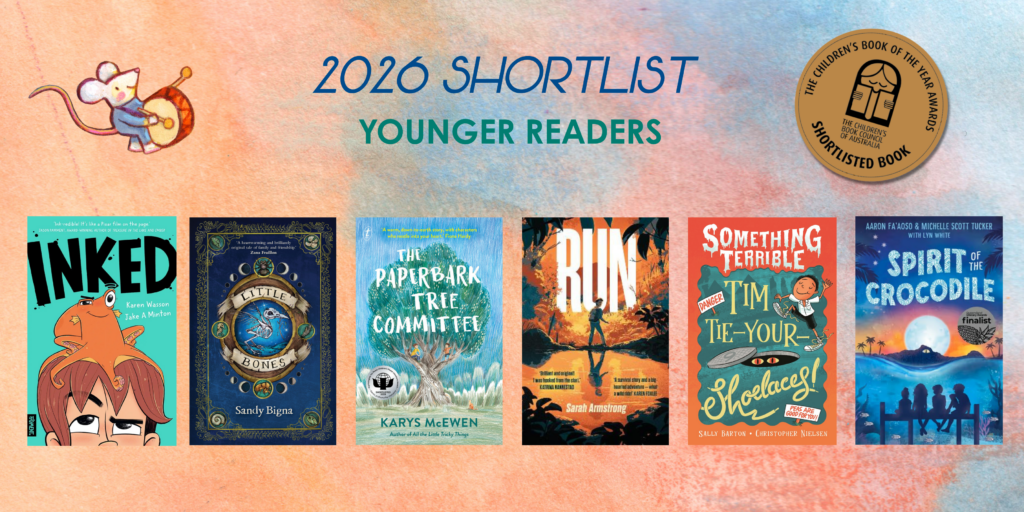
Inked by Karen Wasson, illustrated by Jake A Minton - ⭐WINNER⭐
Run by Sarah Armstrong - 🩶HONOUR🩶
Little Bones by Sandy Bigna - 🩶HONOUR🩶
Something Terrible: Tim Tie-Your-Shoelaces by Sally Barton, illustrated by Christopher Nielsen
Spirit of the Crocodile by Aaron Fa’aoso & Michelle Scott Tucker with Lyn White
The Paperbark Tree Committee by Karys McEwen
Older Readers (13-18 Years)
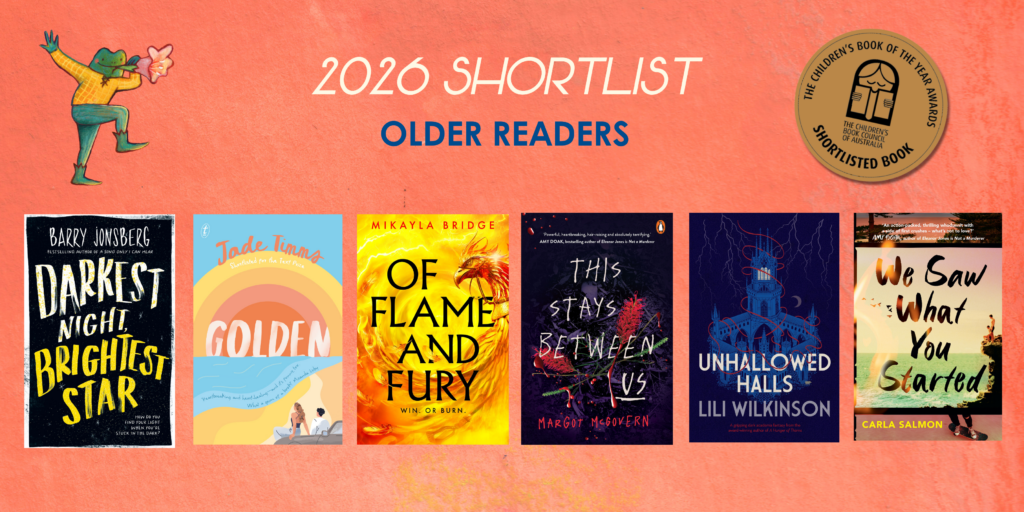
Darkest Night, Brightest Star by Barry Jonsberg - ⭐WINNER⭐
Golden by Jade Timms - 🩶HONOUR🩶
Unhallowed Halls by Lili Wilkinson - 🩶HONOUR🩶
Of Flame and Fury by Mikayla Bridge
This Stays Between Us by Margot McGovern
We Saw What You Started by Carla Salmon
Eve Pownall Award (0-18 Years)
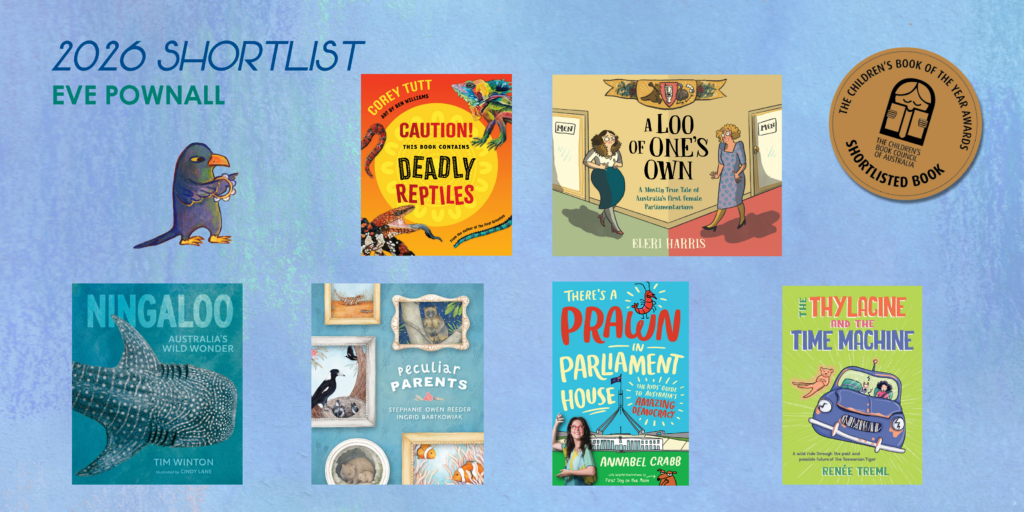
Peculiar Parents by Stephanie Owen Reeder, illustrated by Ingrid Bartkowiak - ⭐WINNER⭐
A Loo of One’s Own by Eleri Harris - 🩶HONOUR🩶
Caution! This Book Contains Deadly Reptiles by Corey Tutt, Ben Williams - 🩶HONOUR🩶
There’s a Prawn in Parliament House: The Kids’ Guide to Australia’s Amazing Democracy by Annabel Crabb, illustrated by First Dog on the Moon
The Thylacine and the Time Machine by Renée Treml
Ningaloo by Tim Winton, illustrated by Cindy Lane
Award for New Illustrator (0-18 Years)
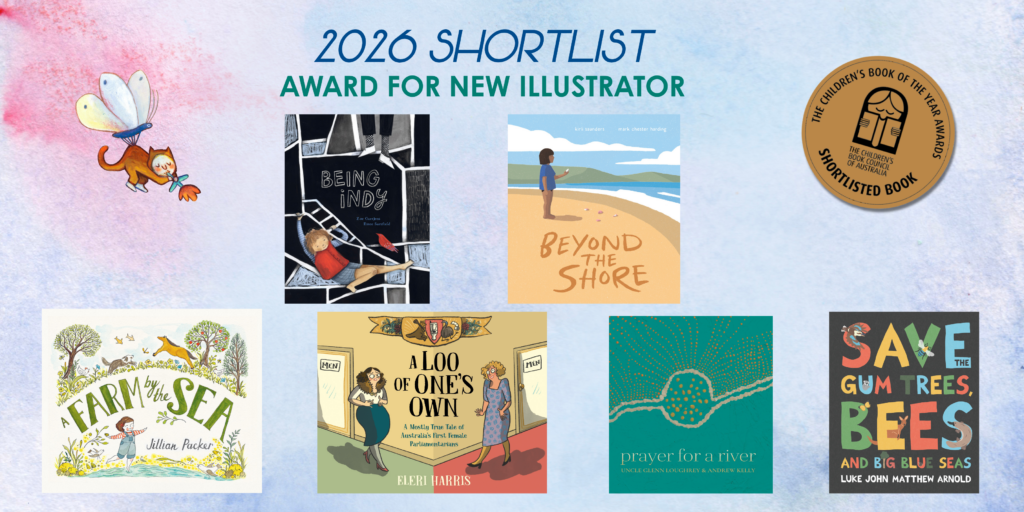
A Loo of One’s Own by Eleri Harris - ⭐WINNER⭐
Save the Gum Trees, Bees and Big Blue Seas by Luke John Matthew Arnold
Beyond the Shore by Mark Chester Harding, text by Kirli Saunders
Prayer for a River by Uncle Glenn Loughrey, text by Andrew Kelly & Uncle Glenn Loughrey
A Farm by the Sea by Jillian Packer
Being Indy by Estee Sarsfield, text by Zoe Gaetjens
How to Choose a Book
With so many wonderful books to choose from, deciding where to start can sometimes feel overwhelming.
Rather than choosing a book based only on its age recommendation, encourage your child to think about what they actually enjoy.
Do they love:
Fantasy and magical adventures?
Dinosaurs and animals?
Space and science?
Funny stories?
Mysteries and adventures?
Stories about friendship and family?
Stories about different people, cultures, and experiences?
Beautiful illustrations and picture books?
Following a child's interests is a great way to make reading feel exciting rather than like a chore.
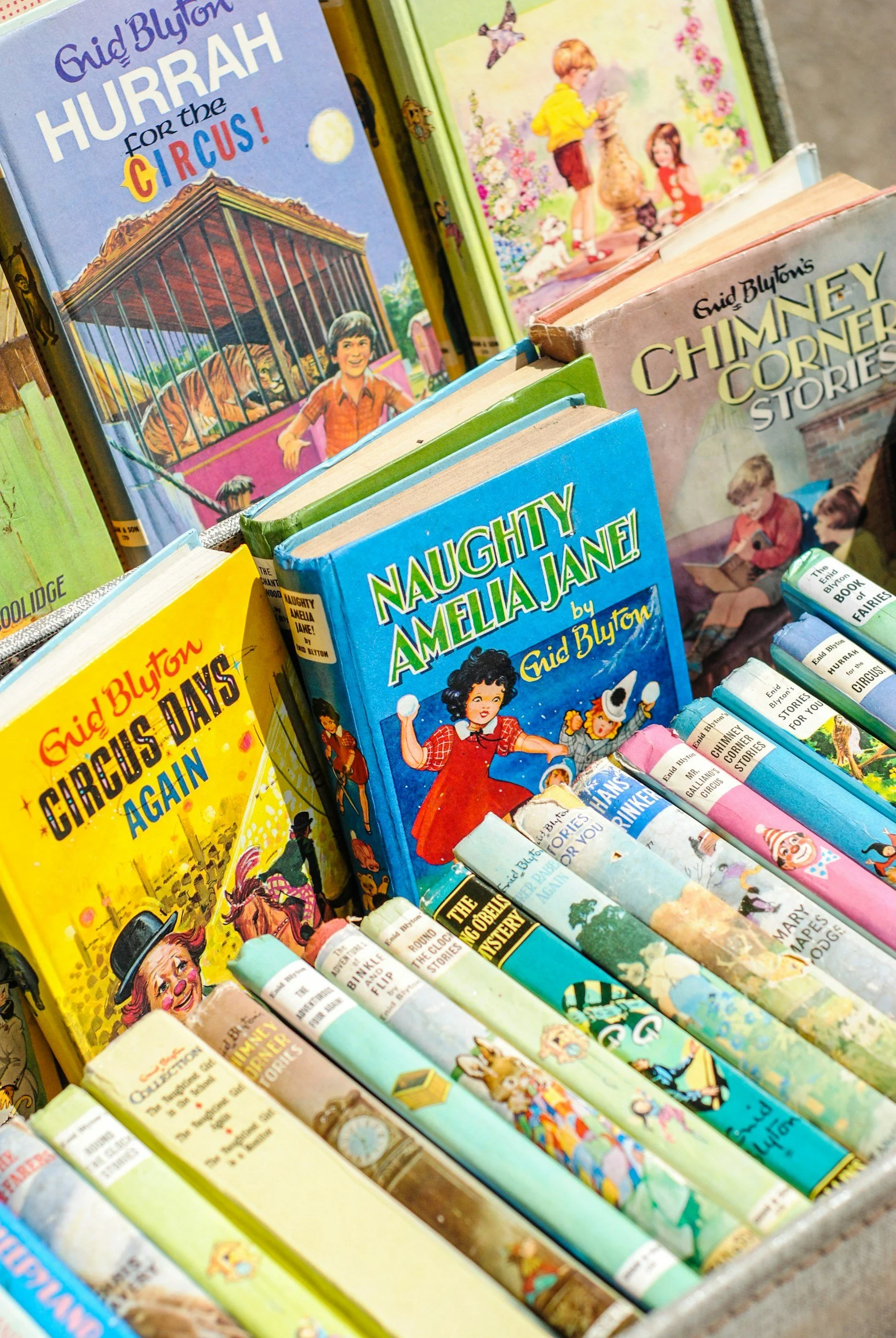
Don't Judge a Book by Its Cover
The old saying might be cliché, but it's also a useful reminder!
Encourage your child to explore books they might not normally choose. A colourful cover might catch their attention, but the story inside could introduce them to a completely new topic or perspective.
Try looking at:
The title
The cover illustration
The blurb
The first few pages
The illustrations
The author and illustrator
You could even choose several books and let your child vote on which one you'd read together.
Talk About the Story
Reading doesn't have to stop when you reach the final page. Talking about a book helps children develop comprehension, vocabulary, critical thinking, and communication skills. Try asking questions such as:
Before reading:
What do you think this story might be about?
What do you notice about the cover?
Who do you think the main character might be?
While reading:
What do you think will happen next?
How do you think the character is feeling?
Why do you think they did that?
Does this remind you of anything?
After reading:
What was your favourite part?
Who was your favourite character?
Would you recommend this book to someone else?
What would you change about the ending?
What do you think the author wanted us to learn?
There isn't always one "correct" answer. The goal is to encourage children to think about what they've read and express their ideas.
Bring the Book to Life
Once you've finished reading, why not take the story beyond the page?
You could:
Act out a favourite scene.
Draw your favourite character.
Create a new ending.
Make a prop from the story.
Write a letter to one of the characters.
Create a comic strip based on the story.
Make your own book inspired by the original.
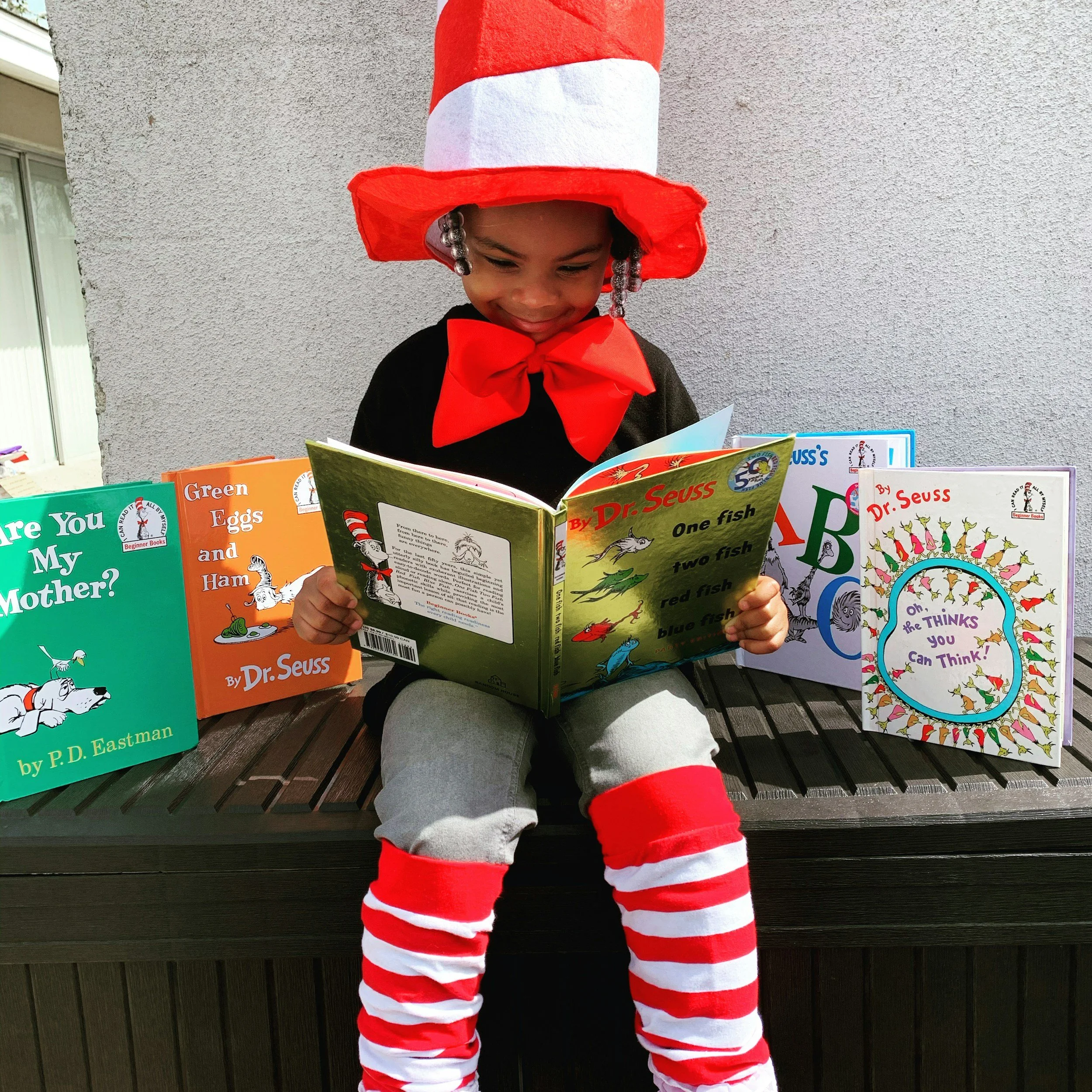
Dress up as a favourite character.
These activities combine literacy with creativity and can help children engage with the story in a completely different way.
Book Week Costumes on a Budget
Of course, we can't talk about Book Week without mentioning costumes! You don't need to spend a fortune to create a great Book Week costume. Some of the best costumes can be made using clothes and materials you already have at home.
Try:
Creating props from cardboard.
Making character accessories from paper.
Using face paint.
Borrowing costume pieces from friends or family.
Checking your local op shop.
Turning everyday clothes into a character's outfit.
Most importantly, remember that Book Week is about celebrating stories, not creating the most elaborate costume.
For more ideas, check out our guide to Budget-Friendly Book Week Costume Ideas.
Create Your Own Book Awards
Want to make Book Week even more exciting at home? Create your own family book awards!
Everyone can nominate books for categories such as:
🏆 Funniest Book
❤️ Best Friendship Story
🎨 Best Illustrations
😂 Best Character
😮 Biggest Surprise
🐉 Best Adventure
🌟 Family Favourite
You could even create homemade certificates for the winners. This encourages children to think critically about the books they're reading while making reading a shared family experience.
Start a Book Week Reading Challenge
Why not set a small reading goal for Book Week?
It could be:
Read one new book each day.
Read a book from each nominated category.
Read a book by an Australian author.
Read a book you've never tried before.
Read together as a family every evening.
The goal doesn't need to be about reading the most books. Instead, focus on discovering stories that your child genuinely enjoys.
Let's Recap
Book Week is a wonderful reminder that reading can be an adventure. Whether your child discovers a new favourite author, becomes fascinated by a character, laughs at a funny story, or simply finds a book they can't put down, every positive reading experience helps build a stronger relationship with books.
So this Book Week, explore something new, share a story together, get creative, and most importantly, celebrate the joy of reading. You never know which book might inspire your child's next great adventure.