Make Reading an Adventure: A Reading Challenge for Every Age
Looking for a simple way to encourage your child or teenager to read more? A Reading Challenge Tracker can turn reading into a fun, achievable goal while helping young readers see just how much they've accomplished. We've created a collection of reading trackers for different ages and stages, so whether you have a beginning reader, an older child, or a teenager, there's a tracker to suit them.
Why Use a Reading Tracker?
Sometimes, seeing your progress can be just as motivating as reaching the final goal. A reading tracker gives children a visual reminder of the books they've read and encourages them to keep going. It can also help make reading feel like a personal challenge rather than a chore.

Reading trackers can help children:
Set achievable reading goals
Develop regular reading habits
Keep track of books they've finished
Discover different types of books
Reflect on their reading
Feel a sense of achievement
Build confidence as readers
Most importantly, a tracker can help children recognise that every book counts.
Choose a Tracker That Suits You
We've put together several different reading trackers designed for different age groups.
For Young Readers
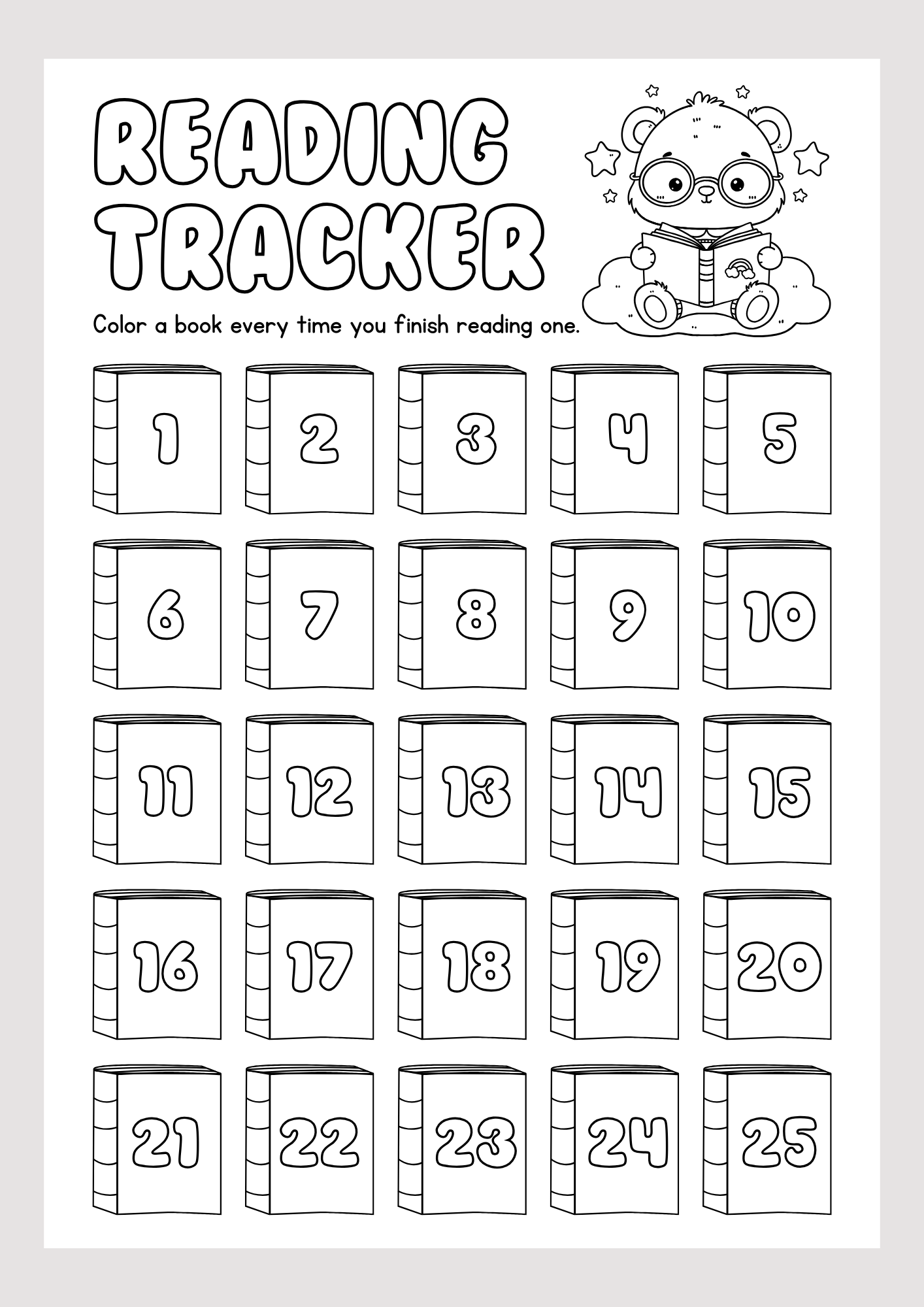
Our youngest readers can use a simple, visual tracker to record their reading progress. For children who are still developing their reading skills, the focus doesn't have to be on how many pages they've read. Reading together with a parent or caregiver, listening to stories, looking at picture books, and attempting to read independently can all be celebrated.
Try this: Let your child colour in, add a sticker to, or otherwise mark their tracker every time they finish a book.
This turns reading into something they can see and celebrate.
For Older Children
As children become more independent readers, their tracker can become a way to encourage them to explore a wider variety of books. You might encourage them to challenge themselves to read:
A book they've never heard of before
A book by a new author
A different genre
A longer book
A book recommended by a friend
A book set in another country or time period
The aim isn't necessarily to read the biggest number of books. It's about helping children discover what they enjoy reading while gradually expanding their reading experiences.
For Teen Readers
Teenagers often have very different reading interests and habits, so giving them ownership of their reading challenge can make a big difference. Encourage your teen to choose their own reading goal and decide what they want to include. They might choose novels, graphic novels, biographies, non-fiction, poetry, short stories, or other forms of reading that genuinely interest them.
A reading tracker can also help teens look back at their reading over a month, term, or year and see how their interests have developed.
Make It a Challenge, But Keep It Fun

A reading challenge doesn't need to become another task to complete. Instead of setting a goal such as "You must read 20 books," consider letting your child help choose their own target. You could set goals based on:
Time: "Can you read for 10 minutes every day this week?"
Variety: "Can you read three different types of books?"
Discovery: "Can you find five books you've never read before?"
Consistency: "Can you read every day for two weeks?"
Or simply:
"How many books can you discover this month?"
Turn It Into a Family Challenge
Why not get involved too? Create a reading challenge for the whole family and encourage everyone to track their progress. You could have a family reading night, visit the library together, or set aside 15 minutes each evening for everyone to read their own book.
You could even create a friendly challenge:
Who can discover the most new authors?
Who can read a book from the most different genres?
Who can recommend the next family read?
The goal isn't to compete over who reads the most. It's to make reading something your family enjoys together.
Don't Forget to Talk About What You're Reading
A reading tracker can be more than a record of completed books. Encourage your child to talk about what they've read. Ask questions such as:
What was your favourite part?
Who was your favourite character?
Would you recommend this book?
What surprised you?
What would you change about the story?
Would you read another book by this author?
For older children and teenagers, you could even add a quick rating or a sentence explaining what they thought about each book. These conversations help turn reading into an opportunity for comprehension, critical thinking, and communication.
Celebrate the Achievement
When your child reaches their reading goal, celebrate! It doesn't need to involve a prize or anything expensive. Sometimes simply recognising their achievement is enough. You could:
Have a special reading afternoon
Visit the library or bookshop
Let them choose the next family read
Have a book-themed movie night
Create a certificate
Make a list of their favourite books
Start a new reading challenge
The most important thing is helping children associate reading with achievement, enjoyment, and discovery.
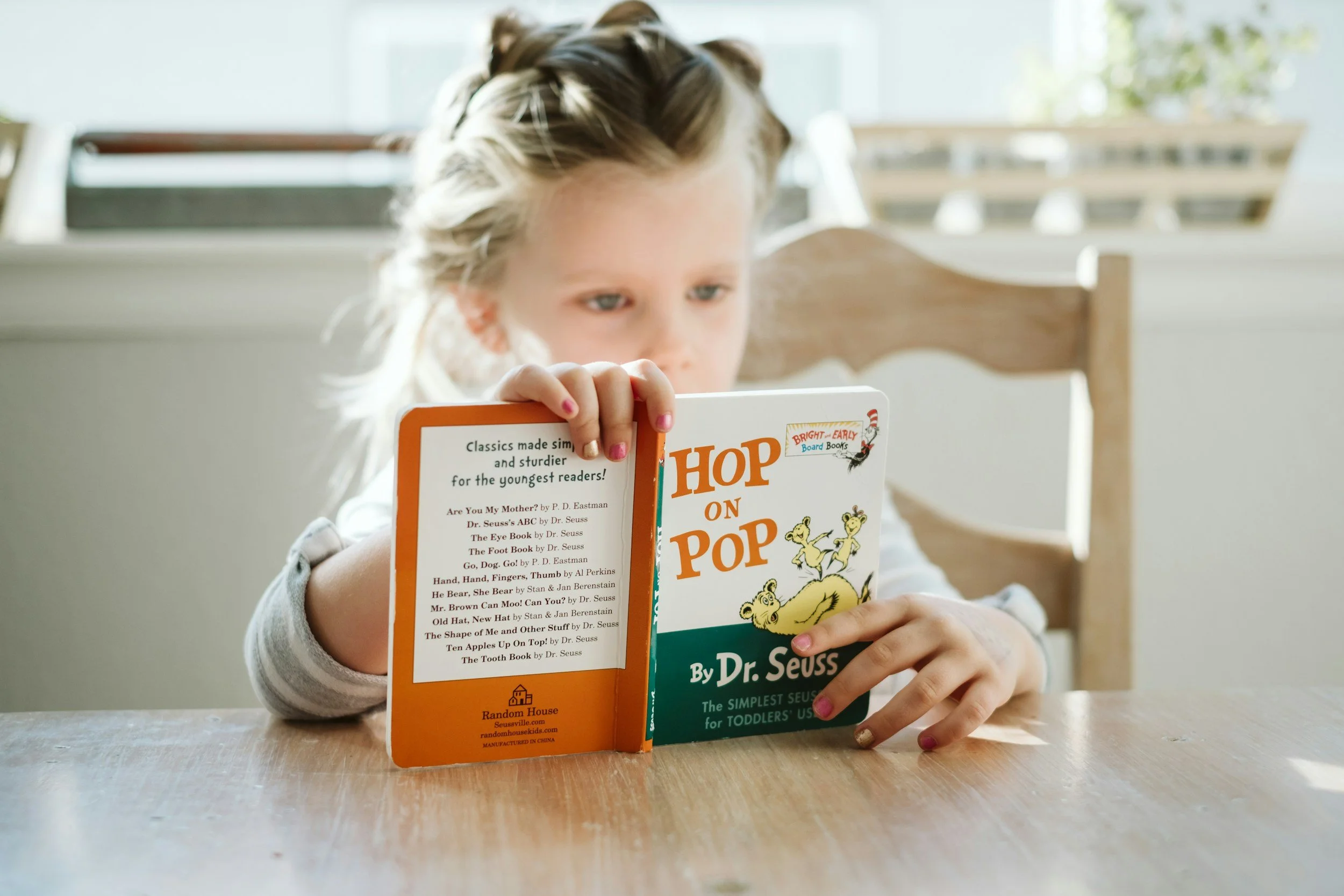
Choose Your Reading Tracker
We've created several reading trackers so you can choose one that best suits your child's age and reading style.
🌱 Young Readers: A simple and visual tracker designed to make recording books fun and rewarding.
📚 Older Kids: A reading challenge for children who are becoming more independent readers and are ready to explore a wider range of books.
📖 Teens: Reading trackers designed with older readers in mind, providing a simple way to keep track of their reading and set personal goals.
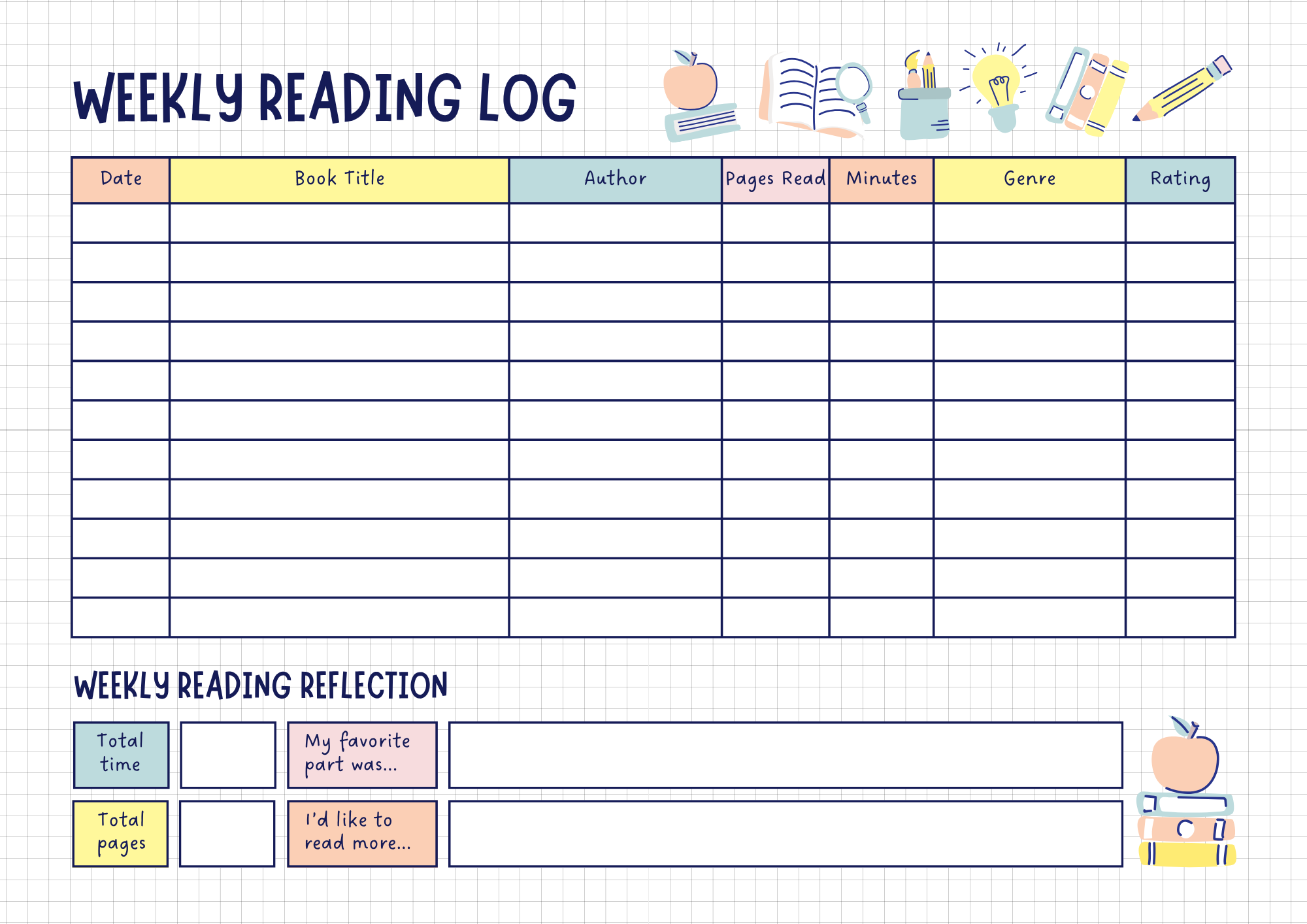
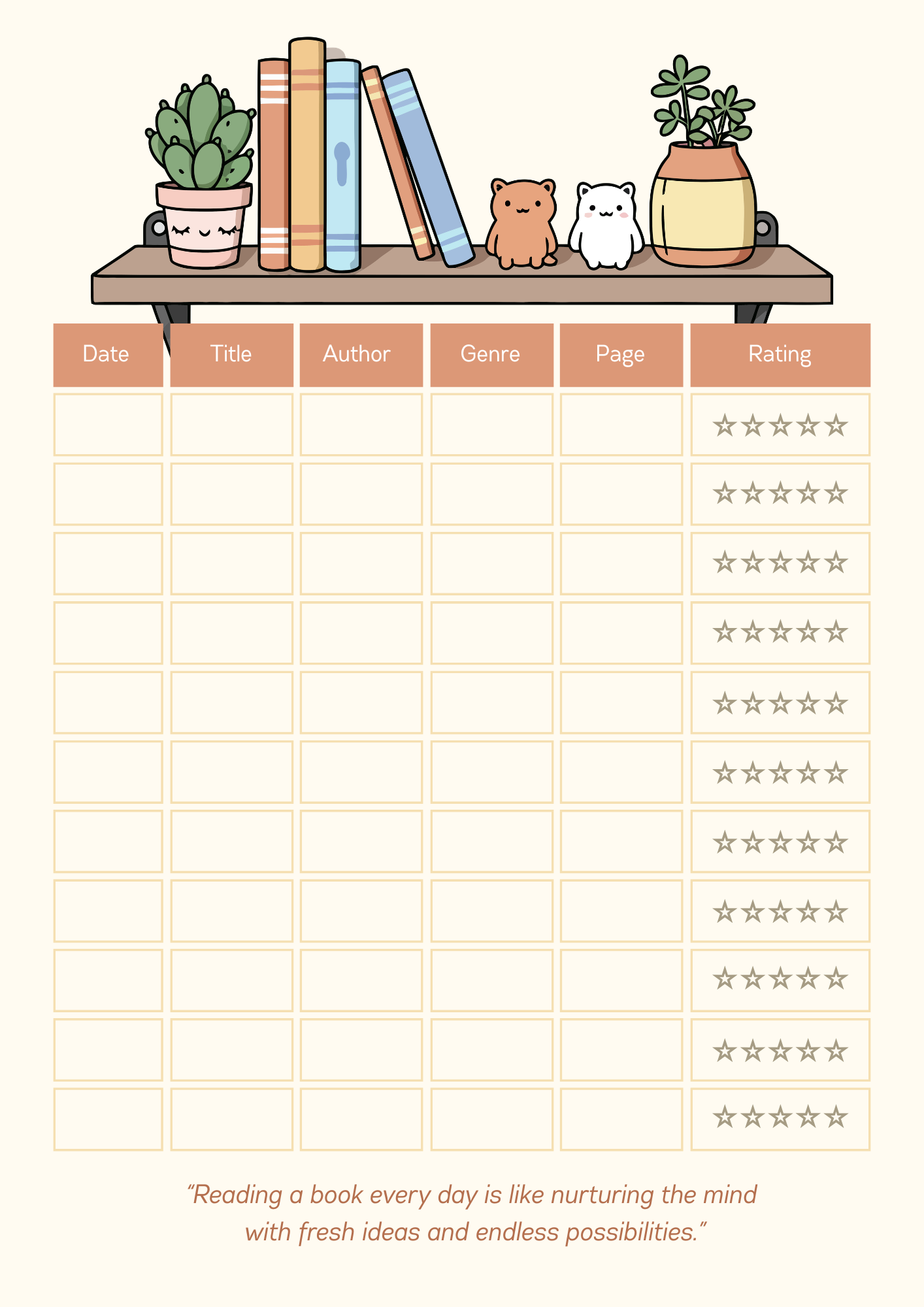
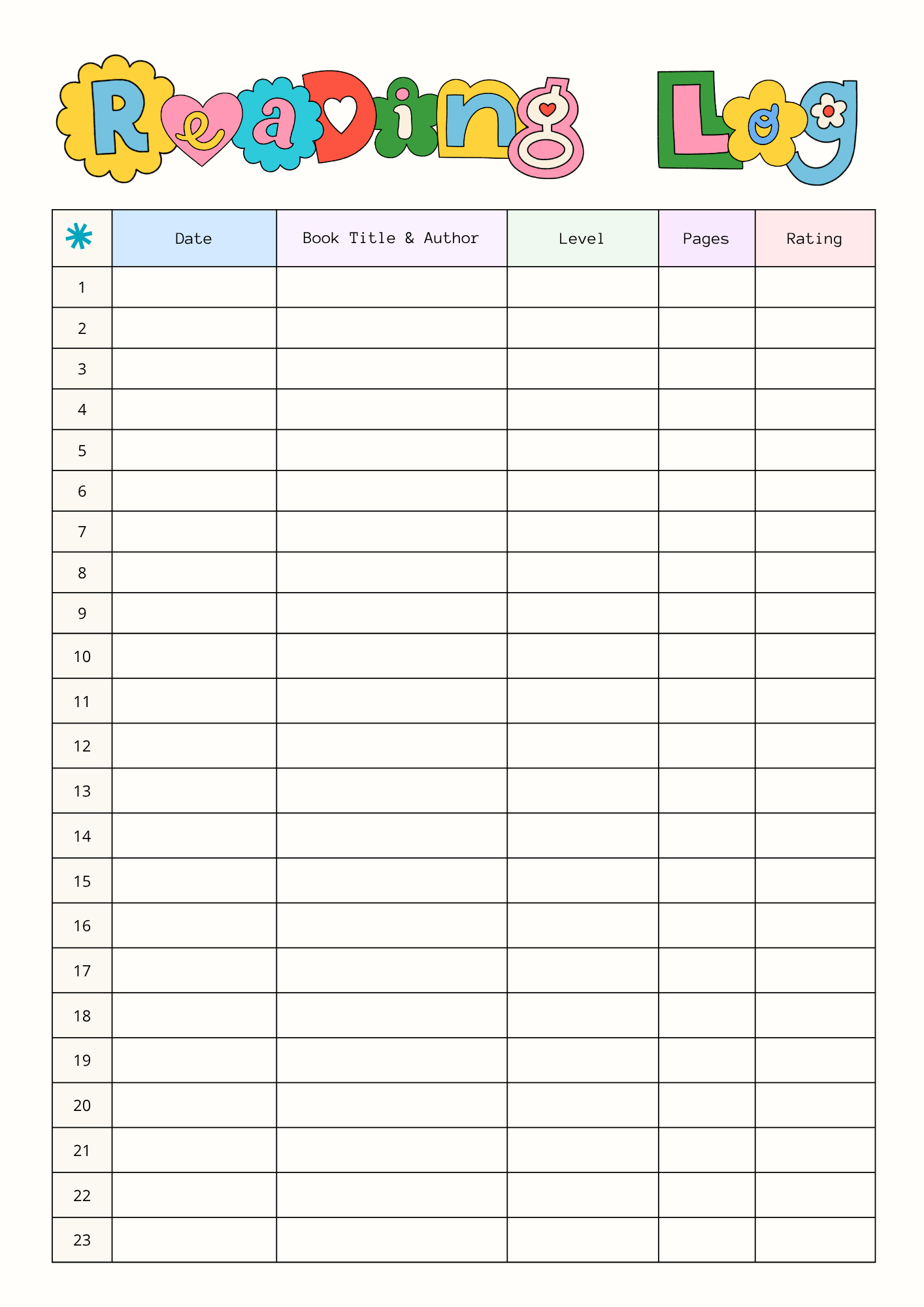
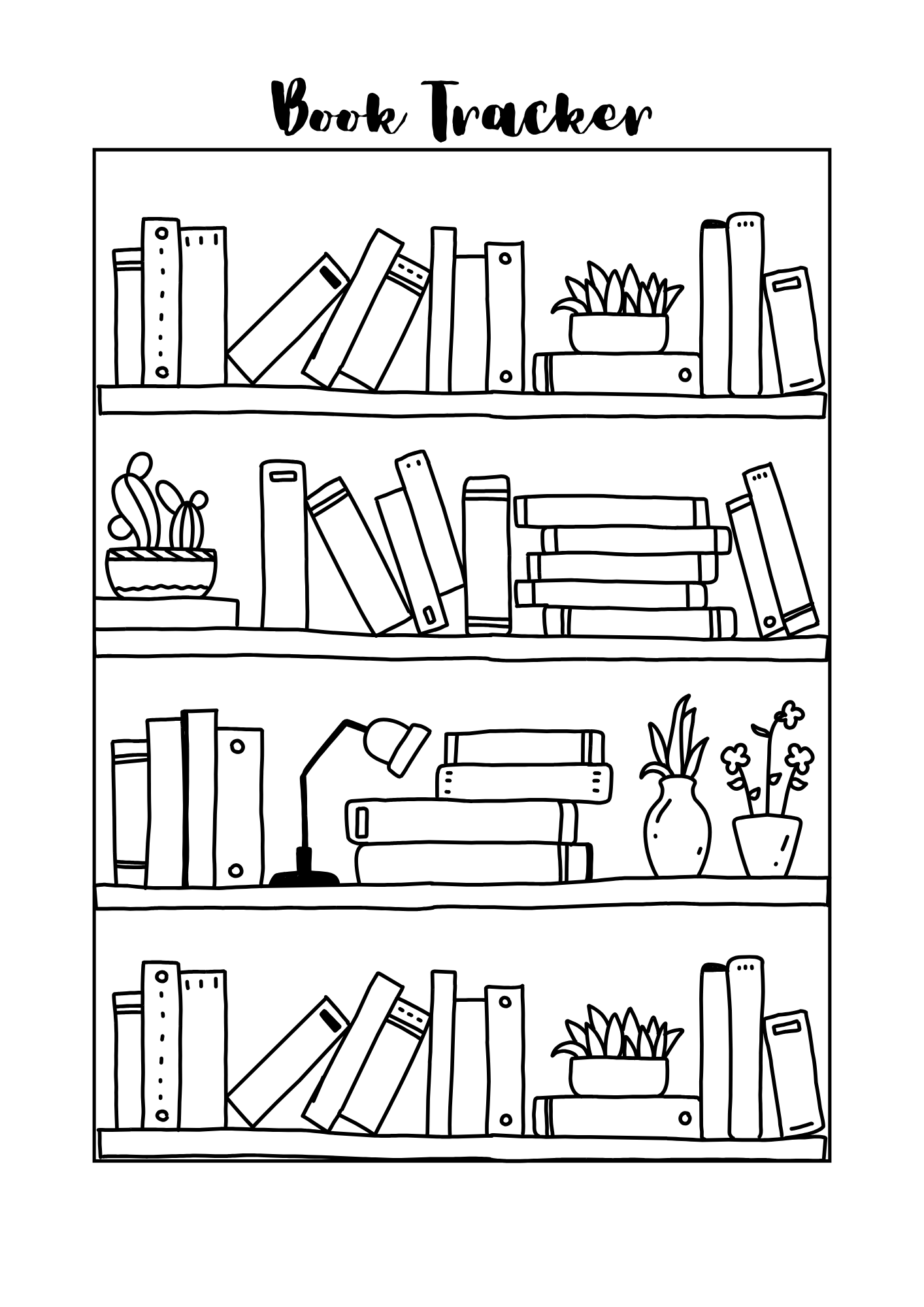
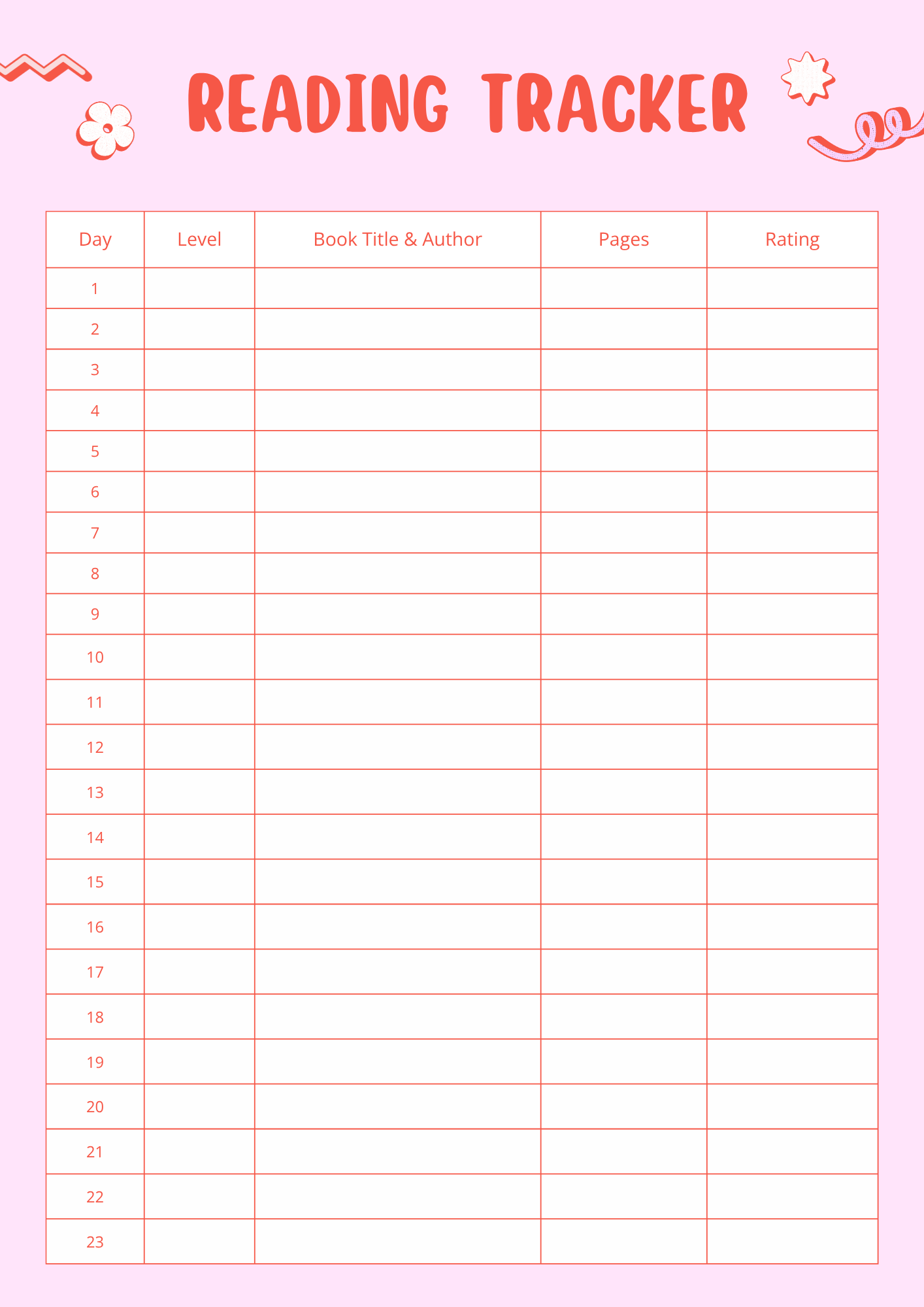
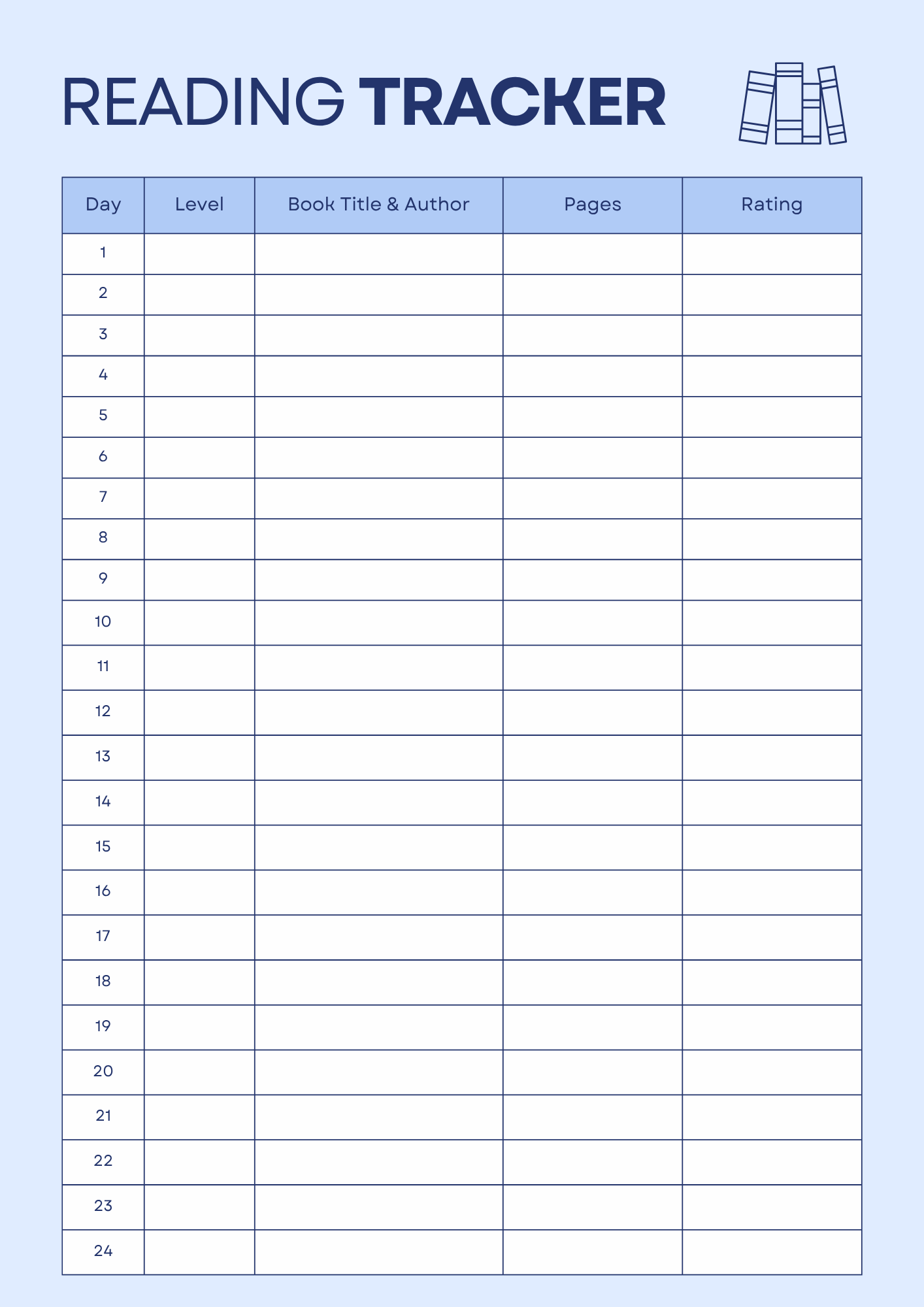
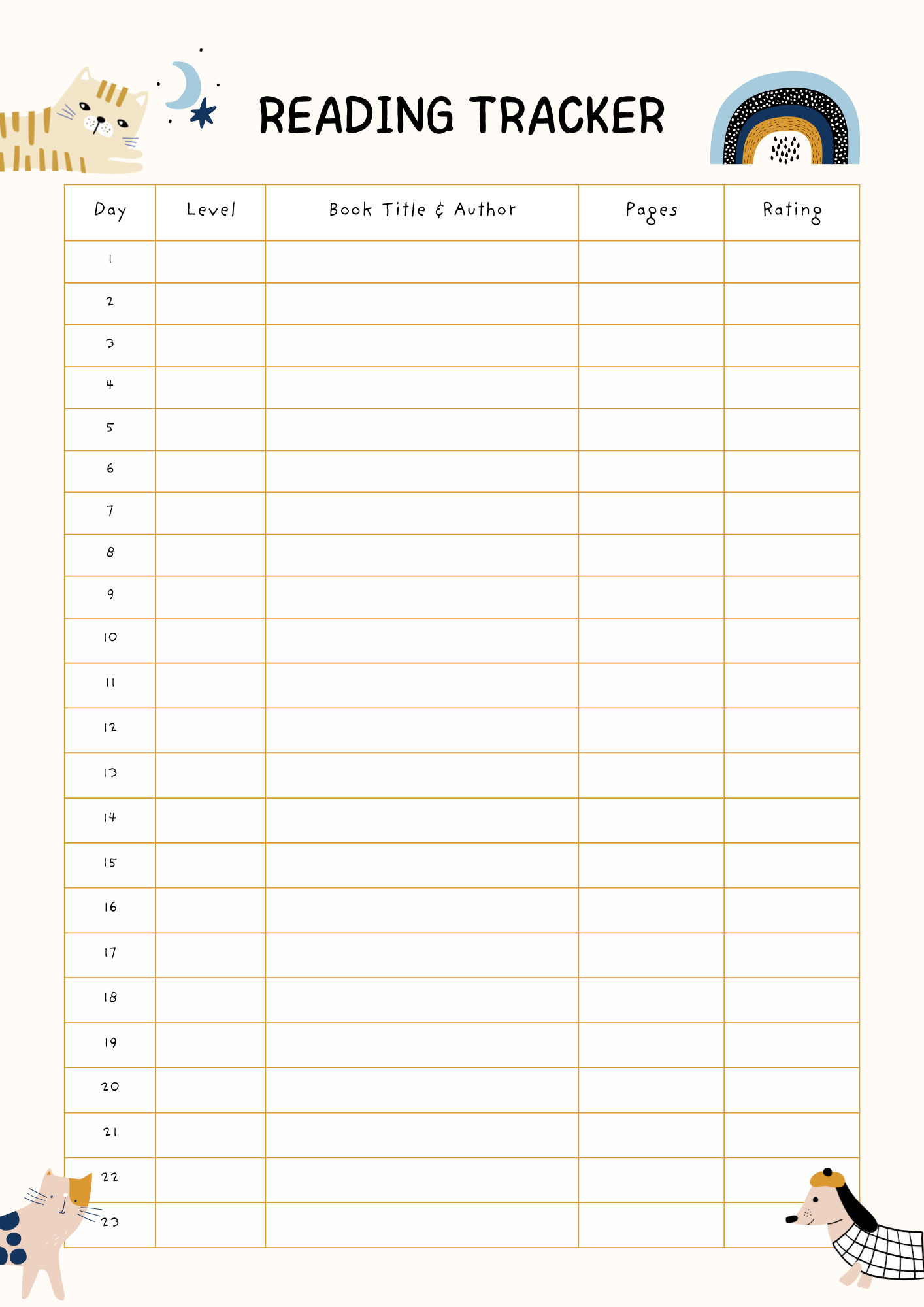
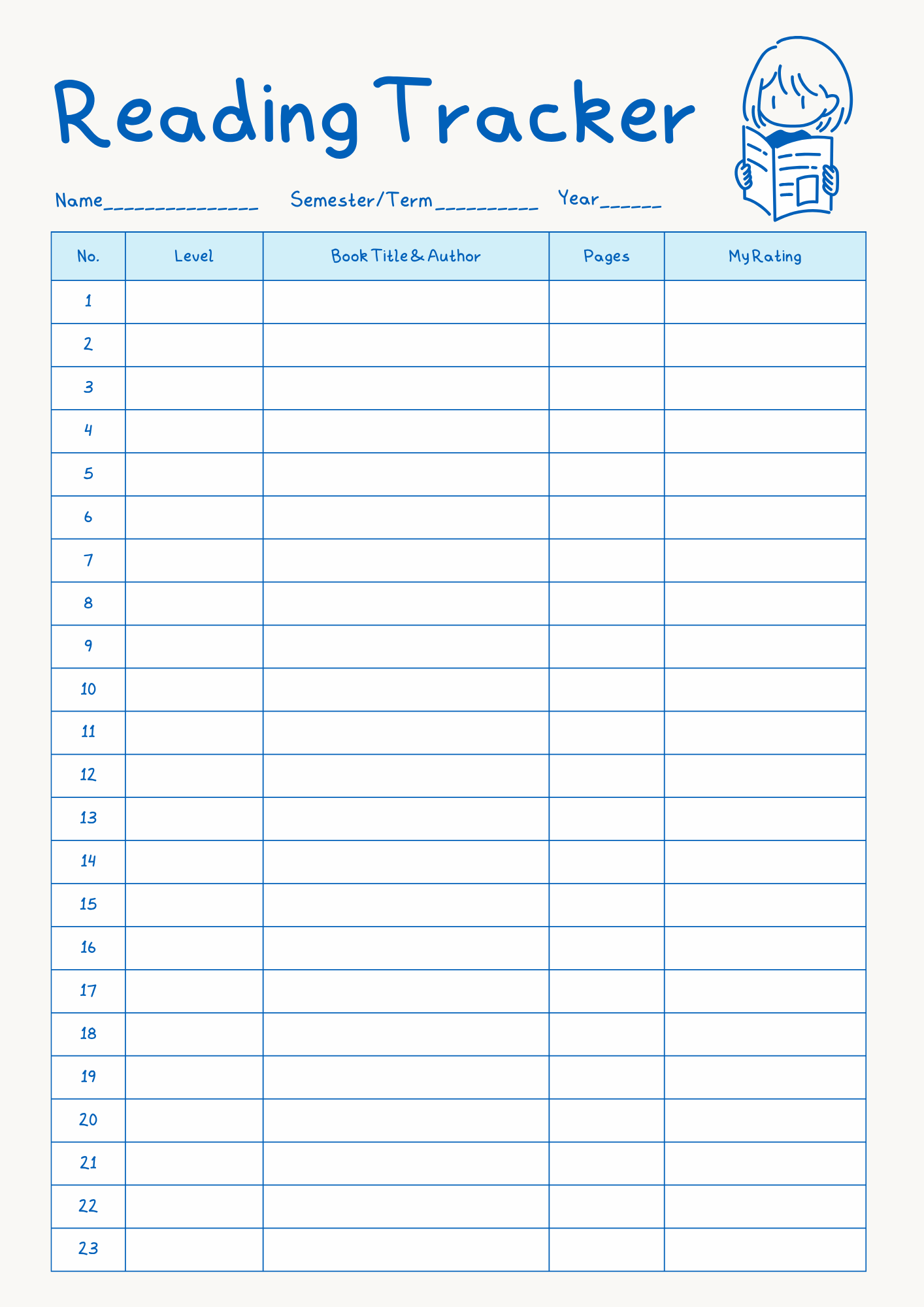
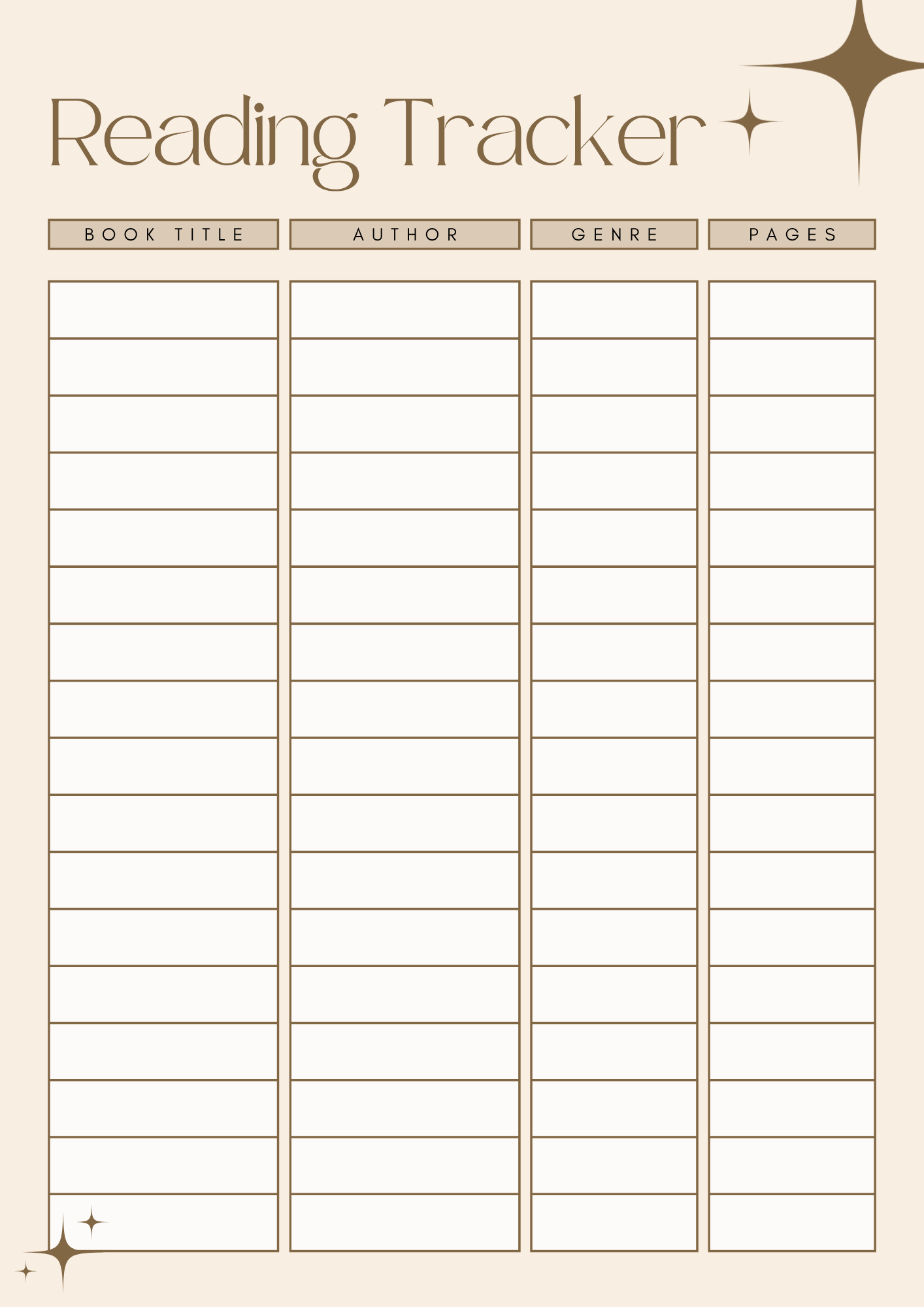
Choose the tracker that works best for your reader, print it out, and let the reading adventure begin!
Let's Recap
A reading tracker is a simple tool, but it can make a big difference. By giving children something tangible to work towards, it can help turn reading into a regular habit while giving them a chance to celebrate their progress along the way.
Remember, there's no "right" number of books to read. Every reader is different, and reading should be about discovering stories, learning something new, escaping into another world, or simply enjoying a quiet moment with a good book.
So choose a tracker, pick a goal, find a book, and start reading!