How to Build a Love of Learning at Home
When we think about learning, it's easy to picture classrooms, textbooks, and homework. However, some of the most valuable learning experiences happen long before a child enters a classroom and continue well beyond the school day. As parents and caregivers, you play a powerful role in shaping your child's attitude towards learning. Children who develop a love of learning are more likely to be curious, resilient, motivated, and confident when faced with new challenges.
The good news is that fostering a love of learning doesn't require expensive resources, strict schedules, or hours of formal teaching. Often, the simplest everyday interactions can have the greatest impact.
Why a Love of Learning Matters
Learning isn't just about achieving good grades. It's about developing curiosity, problem-solving skills, creativity, and a willingness to try new things.
The Victorian Early Years Learning and Development Framework (VEYLDF) highlights the importance of children becoming confident and involved learners who are curious, enthusiastic, and motivated to explore their world. These qualities continue to support children throughout their education and into adulthood.
When children enjoy learning, they're more likely to:
Ask questions and seek answers
Persist when tasks become challenging
Develop independence and confidence
Embrace new experiences
Build strong problem-solving skills
Become lifelong learners
Follow Your Child's Interests
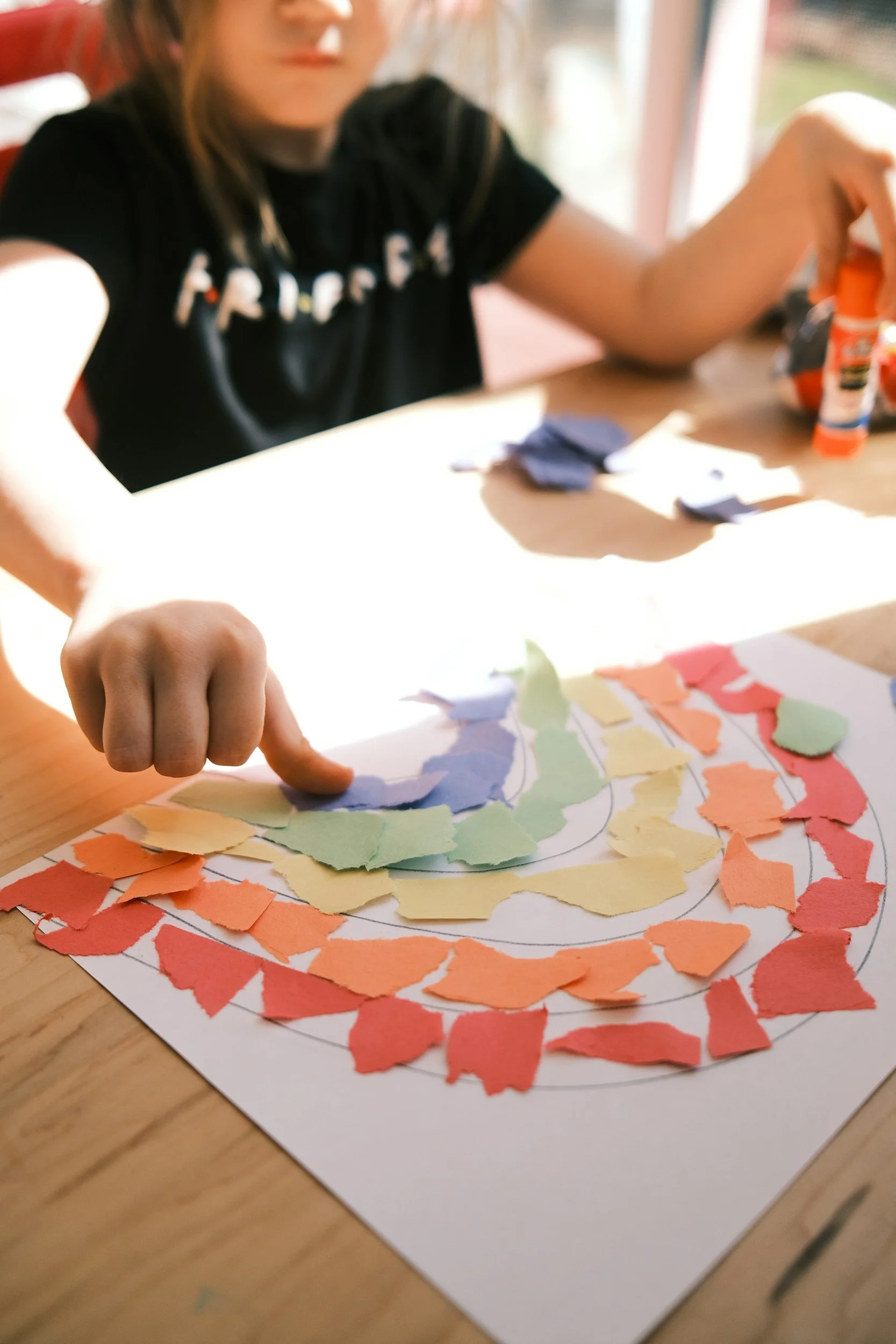
One of the easiest ways to encourage learning is by building on what your child already enjoys.
Whether they're fascinated by dinosaurs, space, animals, art, construction vehicles, or cooking, their interests can become valuable learning opportunities.
For example:
A child who loves dinosaurs can learn about history, science, reading, and counting.
A child who enjoys cooking can explore maths, following instructions, and scientific concepts.
A child interested in nature can develop observation skills, vocabulary, and an understanding of the environment.
When children are genuinely interested in a topic, learning feels exciting rather than like a chore.
Encourage Questions
Children are naturally curious. Sometimes it can feel like an endless stream of "why?" questions, but curiosity is one of the most important foundations for learning.
Rather than always providing immediate answers, try encouraging your child to think, investigate, and explore.
You might respond with:
"That's a great question. What do you think?"
"Let's find out together."
"How could we test that idea?"
"Where do you think we could find the answer?"
These conversations help children develop critical thinking skills and confidence in their ability to learn.
Make Reading Part of Everyday Life
Reading is one of the most powerful ways to support learning at home.
Reading together helps children build:
Language and vocabulary skills
Listening and concentration
Imagination and creativity
Early literacy skills
Knowledge about the world around them
Reading doesn't have to be limited to bedtime stories. You can read signs, recipes, shopping lists, instructions, magazines, and information books together throughout the day.
Most importantly, let your child see you reading too. Children learn a great deal from the examples set by the adults around them.

Embrace Learning Through Play
Play is often described as children's work because it is one of the primary ways they learn.
Through play, children develop:
Problem-solving skills
Creativity
Communication skills
Social skills
Early literacy and numeracy concepts
Confidence and independence
Building with blocks, role-playing, completing puzzles, creating artwork, and playing board games all provide valuable learning opportunities.
Remember, learning doesn't always have to look like traditional schoolwork.
Celebrate Effort, Not Just Results
Children are more likely to embrace challenges when they understand that mistakes are a normal part of learning.
Instead of focusing only on outcomes, try recognising effort, persistence, and problem-solving.
For example, rather than saying:
"You're so smart."
You might say:
"You worked really hard on that."
"I love how you kept trying."
"You found a great solution."
"You didn't give up even when it was tricky."
This helps children develop a growth mindset and understand that abilities can improve through practice and effort.
Create Opportunities for Real-Life Learning
Learning opportunities exist everywhere.
Everyday activities can help children develop valuable skills, including:
Cooking and baking
Gardening
Shopping
Planning family outings
Sorting laundry
Measuring and counting
Caring for pets
These experiences help children connect learning to the real world while developing practical life skills.


Be Positive About Learning
Children often mirror the attitudes of the adults around them.
When parents show enthusiasm for learning, children are more likely to view learning as enjoyable and worthwhile.
You can model this by:
Sharing interesting facts you've learned
Trying new hobbies or activities
Talking positively about challenges
Showing excitement when discovering something new
Learning alongside your child
Creating a positive learning environment helps children feel safe to explore, make mistakes, and grow.
Allow Time for Exploration
Children don't always need structured activities to learn.
Unstructured time allows children to:
Explore their interests
Develop creativity
Practise problem-solving
Build independence
Learn through trial and error
Sometimes the most meaningful learning happens when children are simply given the space to wonder, create, and explore.
Let's Recap
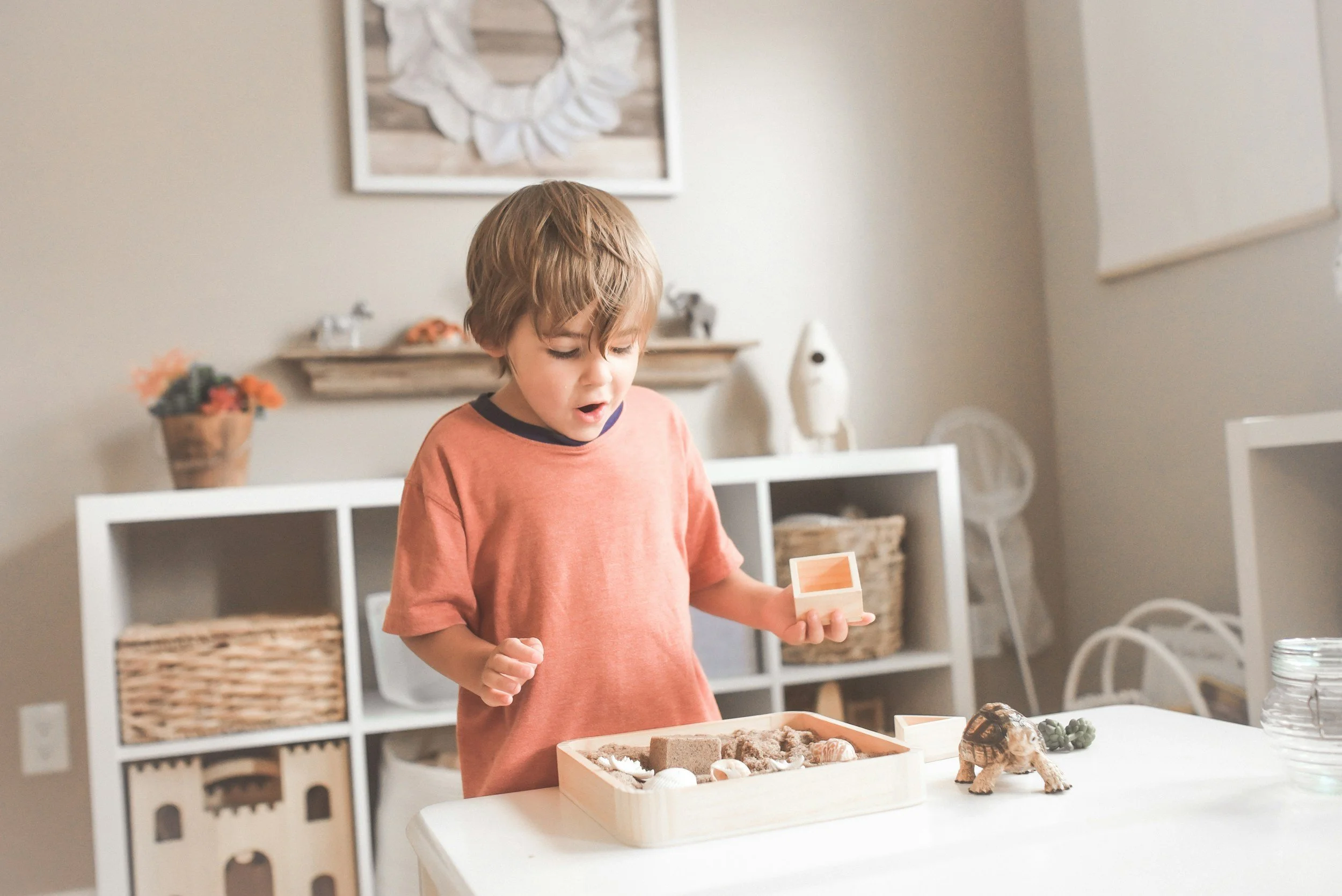
Building a love of learning at home isn't about creating a mini classroom or becoming your child's teacher. It's about nurturing curiosity, encouraging questions, celebrating effort, and helping children see learning as something enjoyable and rewarding.
By reading together, embracing play, exploring interests, and creating positive learning experiences, you can help your child develop the confidence and enthusiasm that supports lifelong learning.
Remember, every question asked, every story shared, and every new experience explored is another step towards helping your child become a confident and capable learner.